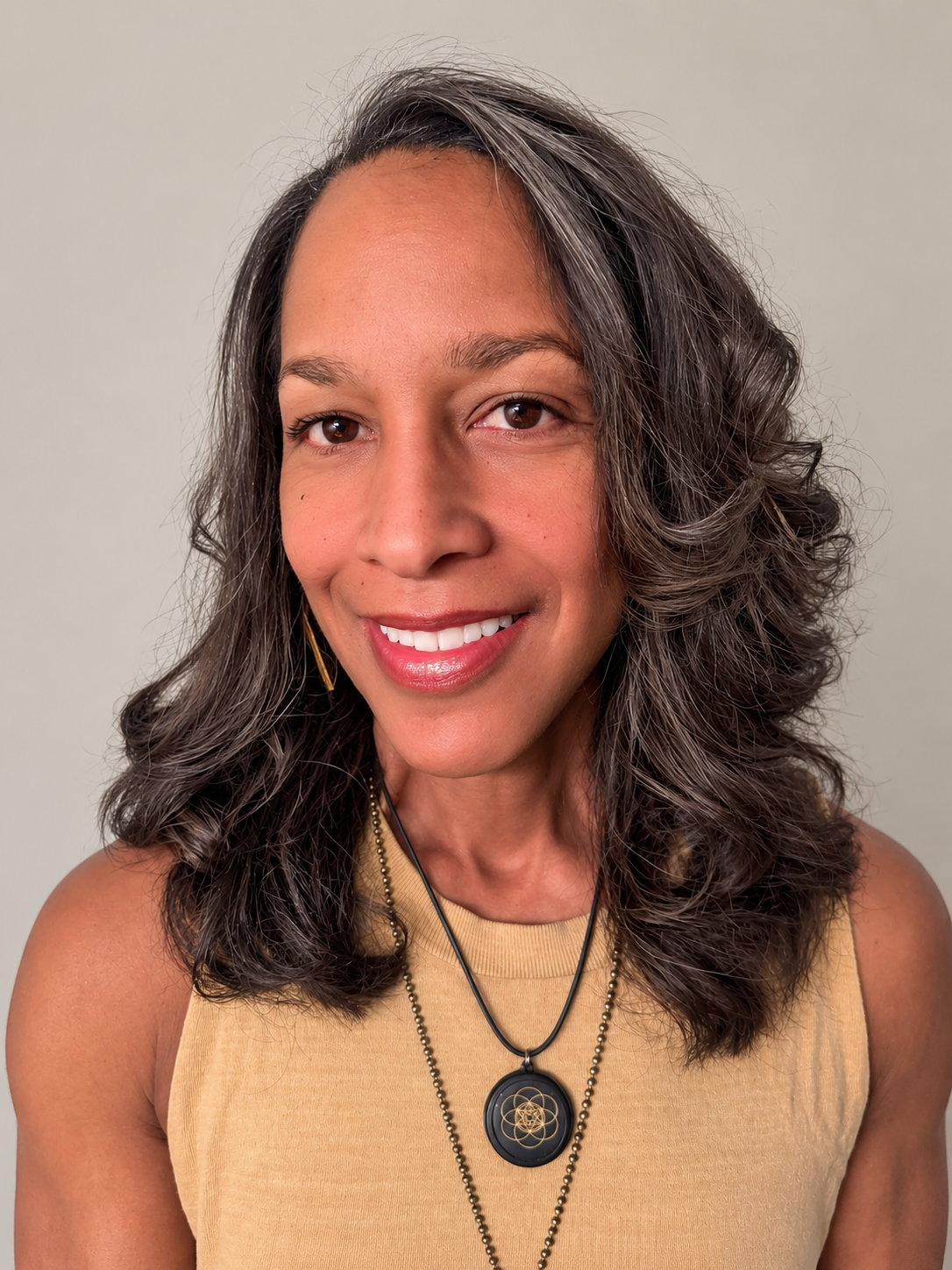
Meet Your Guide
Kimberly Jones
Neuro-Based Movement Coach · Scottsdale, AZ · In-Person & Virtual
“It’s not your body failing you. Your brain may just be missing the information it needs to take the foot off the brake.”
01Who I help
I work with a wide range of people, but if I can narrow it down to something really simple, it’s people who want movement freedom. Often, they are dealing with some level of unpredictability in their body: maybe something hurts every time they run, they feel tighter or more restricted than they used to, or there are movements they’ve quietly started avoiding. They want to get back to doing the things they enjoy without being in the back of their heads about, “Am I going to injure myself?” That can mean playing pickleball because you got a random invite, gardening, leaning over into a crib, training or competing as an athlete, or simply moving through everyday life without wondering whether their body will cooperate.
I also see people who have worked with physical therapists, chiropractors, massage therapists, or other bodyworkers and gotten results, but then within hours, the next day, or sometime later, they revert back. Sometimes an old injury has structurally healed, but something still doesn’t feel quite right. And when the same issue keeps returning, I start to wonder whether there may be other parts of the nervous system contributing to what’s happening in that local area.
However, not everyone comes to me because something hurts. I also work with athletes looking to improve performance, adults who want to maintain balance and movement capacity as they age, and individuals navigating neurological challenges, including stroke recovery and dementia/cognitive decline, where movement, sensory input, and nervous-system function may be part of the bigger picture.
Over time, people can experience a level of tension or pain that becomes part of their identity, and they just resign to, “This is just how this is. This is going to be with me.” My work is for people who want to explore whether there may be another piece of the picture— and what might become possible if they could feel more confident and free in how they move again.
02What working together might be like
A lot of people leave their first session surprised by what their body can do and by how quickly something can feel different. The most common reaction I get is, “It seems like voodoo. What did we just do?” You might move your eyes a few times and suddenly your foot feels better, or repeat a seemingly simple drill and notice that something feels smoother or easier. That surprise can start to become empowerment: you begin to realize that when something comes up in your body, you may have a tool you can use to change how you’re feeling. And things you may have ruled out— swimming again, shooting some hoops, or simply moving with less hesitation— can begin to feel possible again.
03My approach
If something in your body keeps coming back, I don’t just want to look at where you’re feeling it— I want to understand why your body keeps wanting to go back there. You can get results going local, but if you’ve already done work on that area and the results don’t seem to stick, there may be another area of the brain contributing to what’s happening there. That’s why I look at movement through a neurological lens.
04My story
Movement has always been a big part of my life, so becoming a movement coach felt like a natural path for me. I danced from age three through college, played basketball and ran a little track, and grew up in a very athletic family. I actually majored in psychology, but eventually found my way back to movement: first coaching basketball and teaching physical education and health, and then becoming a college strength and conditioning coach. I couldn’t really see myself doing anything else.
05BEYOND THE PRACTICE
Drums, Guitar, Hiking, Nature
06More Ways To Work Together
One-on-One Strength Coaching · Seminars + Practitioner Education